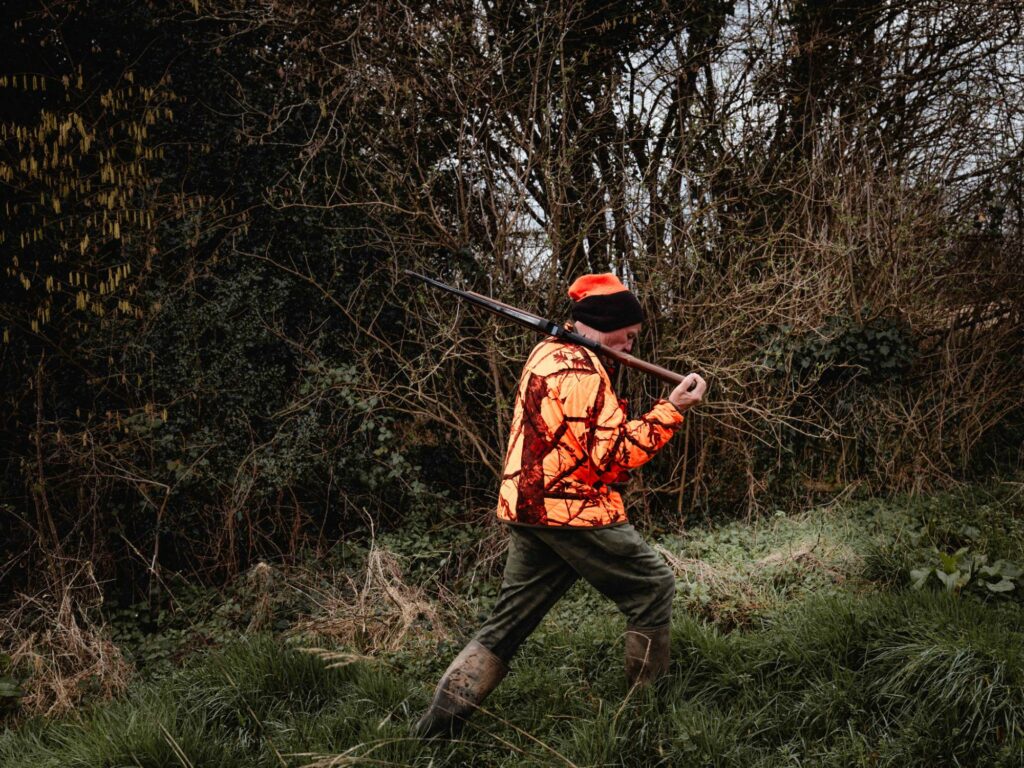
As we face the erosion of social bonds and increasing difficulty in “acting as a society,” Greenland offers alternative models of collective life and balance between the individual and the community. These are rooted in the land, particularly around the figure of the hunter (which echoes that of the farmer).
As social bonds erode and “acting as a society” becomes more difficult, Greenland offers alternative modes of collective life. These models balance the individual and the collective and are anchored in the territory, particularly around the figure of the hunter (which echoes that of the farmer).
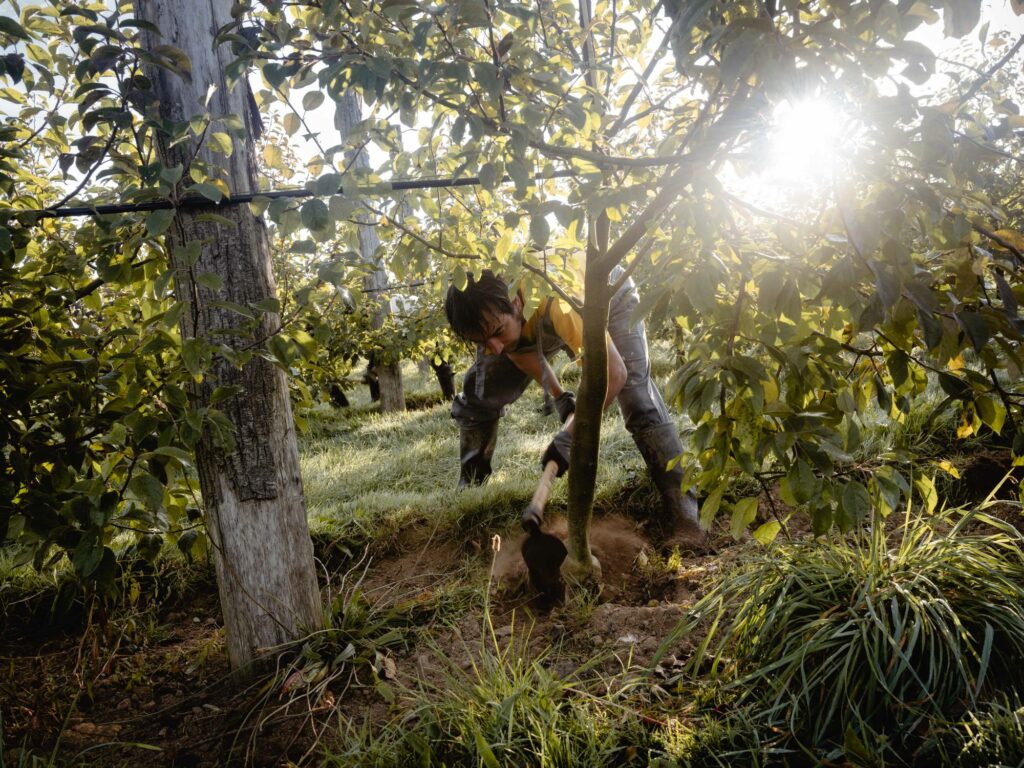
This theme addresses all questions regarding collective life in a region. A key topic is the role of the farmer. The role of the Greenlandic hunter-fisherman can inform reflections on the place of the farmer in society and within their specific territory. This is a crucial subject for farmers themselves, but also for the economic, social, and environmental dynamics of the region.
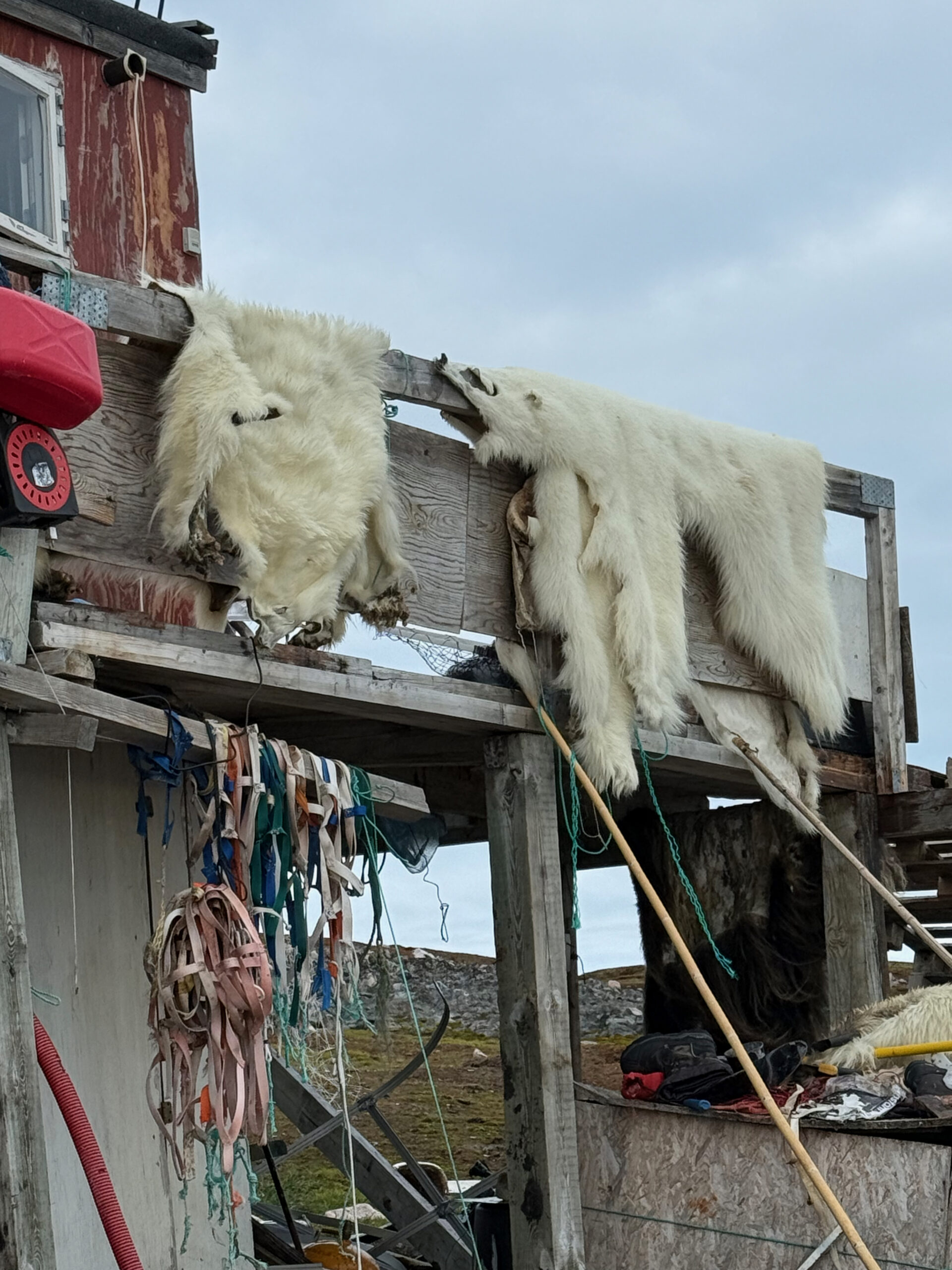
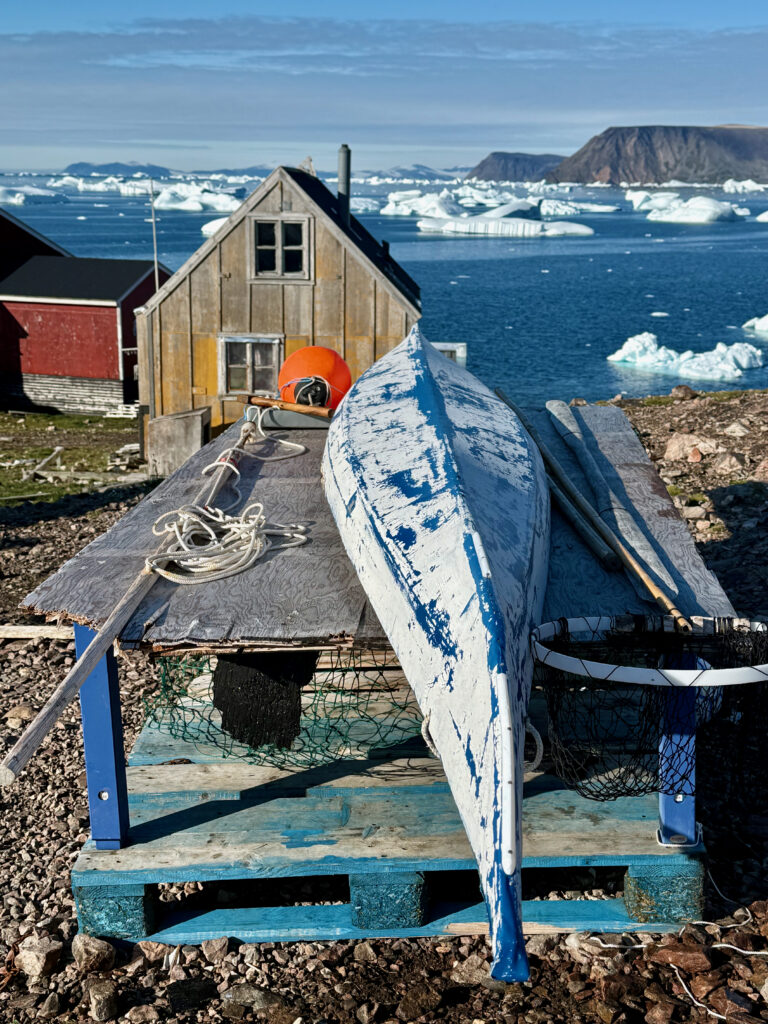
The hunter’s place in the life and economy of Avanersuaq is significant enough to inspire exchanges involving:
Farmers, regarding their link to local dynamics, social fabric, and their role as keepers of territorial knowledge and culture.
Political Actors and project leads involved in agriculture-related territorial projects (food, health, etc.).
Another major theme may concern that of rurality, involving issues of isolation, or even remoteness, and the link and balance with urban centers. It also encompasses the irreplaceable contributions of rural life in its own right, through its unique identity and culture.
Ultimately, the participants will determine the final orientation of these exchanges.
Project Developers focused on the role of the farmer within broader systems, such as food social security initiatives.